A greasy oven glass door is one of those small household frustrations that can quietly build up over time, because at first it just looks like a few splatters from cooking, but before long the whole panel starts to look cloudy, brown, and difficult to see through. If you have ever looked at your oven door and thought it needed an aggressive chemical cleaner, a heavy duty scrub pad, or far more effort than it was worth, there is actually a much simpler method that can work surprisingly well. In this post, I want to walk through an easy technique that uses very little besides water and a scraper, while also highlighting the one important thing you need to check before you begin so that you do not risk damaging the surface.
This is the kind of practical home fix I appreciate because it keeps things simple, costs very little, and gives quick results without turning the job into a full cleaning session. It also fits nicely with the idea that many everyday problems do not always need a complicated solution. Sometimes the easiest method is just understanding what kind of buildup you are dealing with and using the right tool gently and correctly. If your oven glass has hardened grease baked onto the surface, this approach can save a lot of time.
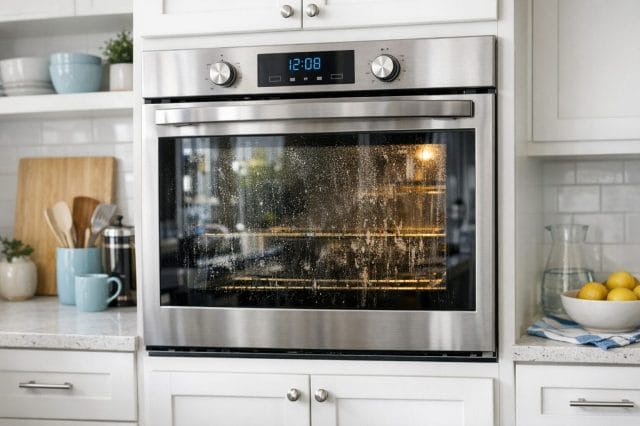
Why oven glass gets so greasy in the first place
Oven doors collect grease for obvious reasons, but the reason it becomes so stubborn is that the grease is repeatedly heated and cooled. Every time you roast meat, bake something oily, or cook food that spits and splatters, a fine layer of residue can land on the glass. Once that layer is exposed to heat again, it hardens and bonds more firmly to the surface. After enough cooking cycles, what started as a light film turns into a tough baked on layer that no longer wipes away with a cloth.
That is why many people end up scrubbing harder and harder with general cleaners, only to feel like nothing is happening. The issue is not always that the product is weak. It is often that the grease has formed a crust on top of the glass, and at that point a gentle mechanical method can be much more effective than simply adding more spray. When used properly, a scraper can lift the residue off the surface instead of smearing it around.
The simple method that works
If you are struggling to remove grease from your oven glass, one easy approach is to use a Trojan scraper or any similar scraper and carefully work across the greasy surface. The goal is not to attack the glass with force, but to let the blade glide gently over the hardened grease so it can lift it off in thin layers. A small amount of water helps the blade move more smoothly and can make the process feel easier and more controlled.
What makes this method appealing is its simplicity. You do not need a pile of cleaning products, and you do not need to keep switching between sprays, creams, and scrubbers. In many cases, a scraper and some water are enough to deal with the built up layer, especially when the residue is baked on rather than just oily. The key is to go slowly and avoid using unnecessary pressure.
Before doing anything else, though, there is one important warning that should not be skipped. If your glass has any kind of film or coating on it, do not use a scraper. That protective or tinted layer may be damaged by the blade, even if you are careful. This method is best suited to plain glass without a surface film.
If you are unsure what your oven door has, it is worth checking the manufacturer information first or testing a very small, less visible corner with extreme care. That extra caution is much better than assuming all oven glass is the same.
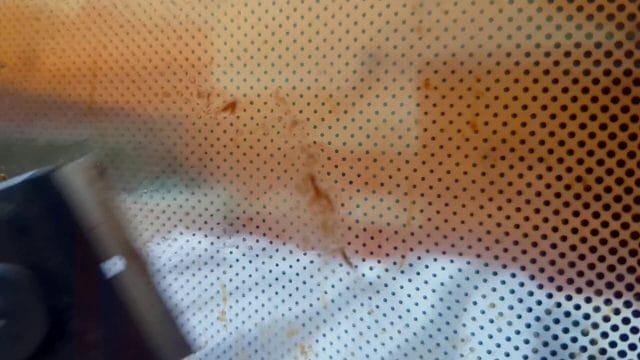
The screenshot above captures that important caution clearly, and it is really the deciding factor in whether this technique is right for your oven. Practical cleaning tips are useful, but they work best when paired with a quick assessment of the material you are dealing with. If there is no film and the glass surface is suitable, then this can be a fast and satisfying job.
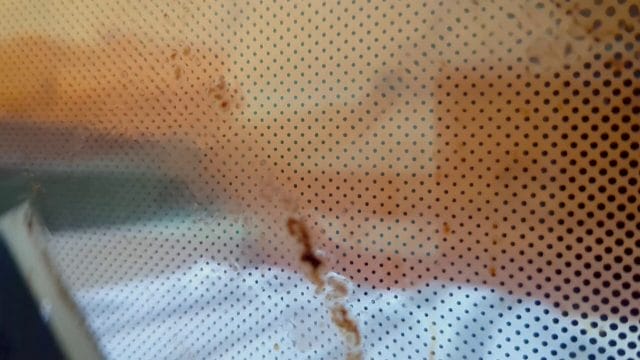
How to do it safely and effectively
Start by making sure the oven is completely cool. This should never be done on warm glass, because heat can make the process less controlled and could increase the chance of injury or damage. Once the oven door is cool, spray or apply a little water onto the greasy area. You do not need to soak it heavily. Just enough moisture to help the scraper move along the surface is usually sufficient.
Hold the scraper at a low angle and begin gliding it gently across the grease. The movement should feel smooth and deliberate rather than forceful. You are not trying to dig into the glass. You are trying to get under the hardened grease and lift it away. In many cases, you will hear a slight scratching sound, which can feel alarming at first, but if you are working on suitable glass and the blade is contacting the residue rather than digging into the surface, what you are hearing is the grease being removed.
This is where patience matters. Instead of rushing, take short controlled passes and let the blade do the work. If you notice a section that is particularly stubborn, add a little more water and continue gently. Often the buildup comes away progressively, and once the top layer is gone the rest becomes much easier to clear.
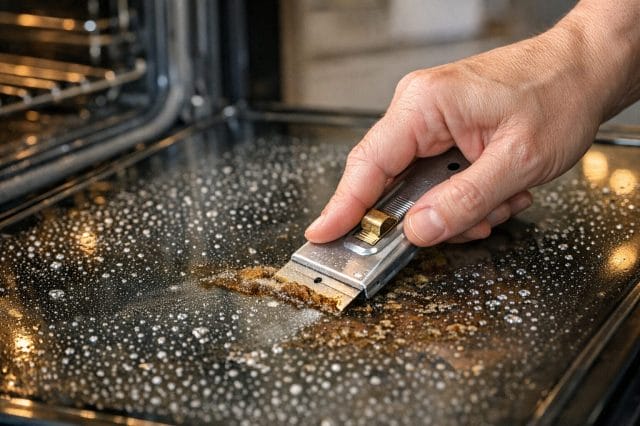
One of the best parts of this method is how little effort it can require compared with constant scrubbing. Anyone who has spent too long rubbing the same greasy patch with a sponge will probably appreciate how much faster it feels when the residue starts lifting in strips or flakes. It gives immediate feedback, and that makes the task feel much more manageable.
What the process looks like in action
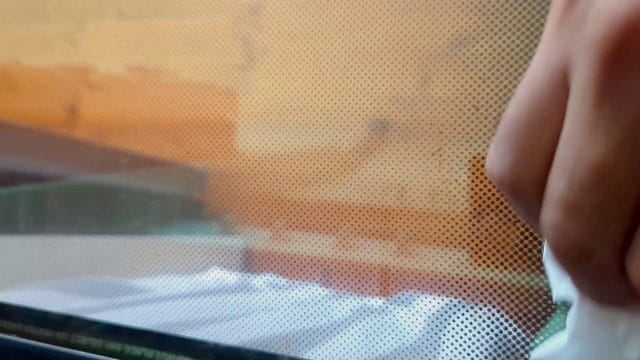
As you continue sliding the scraper across the glass, you should begin to see a noticeable difference quite quickly. Areas that looked dark, cloudy, or brown start clearing up, and the original transparency of the oven door becomes visible again. That visible progress is helpful because it confirms that the problem was a surface layer of grease rather than permanent staining inside the glass.
The process is straightforward. You keep going across the panel, working section by section, and remove the grease gradually. It does not need dramatic pressure, and it does not need a complicated routine. In fact, one of the reasons this technique feels so effective is because it strips the task back to the basics. Right tool, light touch, a bit of water, and repetition.
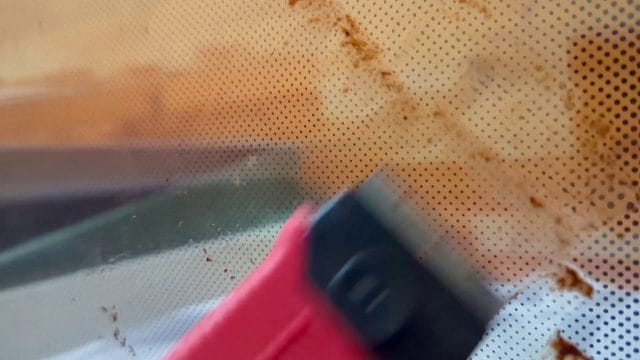
This stage is where many people realise how much residue had been sitting on the glass all along. Once one patch clears, the contrast between the cleaned section and the greasy section becomes very obvious. It is also the point where the method starts to feel rewarding, because you can literally see the blade removing years or months of buildup with minimal fuss.
There is also something reassuring about not needing a strong chemical smell filling the kitchen. For many quick maintenance tasks, reducing the number of products involved is not only easier but also more practical. You spend less time preparing, less time cleaning up, and less time wondering whether the cleaner itself needs to be fully rinsed away before using the oven again.
Why gentle technique matters more than force
A lot of home cleaning jobs go wrong when people assume more force means better results, but with glass that is not the case. A scraper can be an excellent tool when used correctly, yet it needs control more than strength. Keeping the blade at the right angle and moving steadily is far more important than pushing hard. Too much pressure can make the action rough, increase your risk of slipping, and turn a simple job into a risky one.
Gentle technique also helps you respond to the surface as you work. If one area clears easily, you can keep the same approach. If another area seems resistant, you can pause, add water, and make a few more controlled passes. This is a much better strategy than trying to overpower the residue all at once. The idea is to work with the surface, not against it.
Another useful habit is wiping away loosened grease as you go, either with a soft cloth or paper towel. This keeps the surface visible and prevents removed debris from dragging back across the glass. It also helps you assess whether remaining marks are still grease, or whether they are simply streaks that need a final wipe once scraping is complete.
When this method is a great option and when it is not
This method is ideal when the problem is baked on grease sitting on the outer glass surface and the glass itself does not have a film or delicate coating. It is especially useful for people who want a quick, low fuss solution without pulling out multiple products. If the buildup is thick and crusted, a scraper can often outperform ordinary wiping because it removes the layer physically instead of trying to dissolve it slowly.
However, it is not the right choice for every situation. If your oven glass has a coating, if you notice scratches already forming, if the door has specialty tinted layers, or if the grease appears to be trapped between panes rather than on the surface, then you need a different approach. Similarly, if you are not comfortable handling a scraper around glass, it may be better to use a safer alternative or get advice specific to your oven model.
It is also worth saying that no shortcut should override common sense. A clean result is only a good result if the surface remains undamaged. The strength of this method is its simplicity, but the success still comes from using it carefully.
Small details that can improve the result
If you want the best finish, there are a few extra details that can help. First, use a clean scraper blade. A worn or dirty blade can make the movement less smooth and may reduce how effectively it lifts the residue. Second, make sure the surface stays lightly damp rather than dry. A dry pass can feel rougher and less controlled, whereas a small amount of water helps the blade glide.
Third, work in good lighting. Oven glass can look clean from one angle and still show streaks or patches from another. Standing slightly to the side and checking reflections can reveal what still needs attention. Finally, once the grease has been removed, finish with a soft cloth to wipe away any remaining water or residue. This gives the glass a clearer final appearance and lets you judge the true result properly.
These may seem like minor points, but they often make the difference between a job that is merely better and one that actually looks finished. Since the whole point of cleaning the oven glass is to restore visibility and make the appliance look fresher, it is worth taking that final minute to tidy up the surface.
The final result and why this tip is so useful
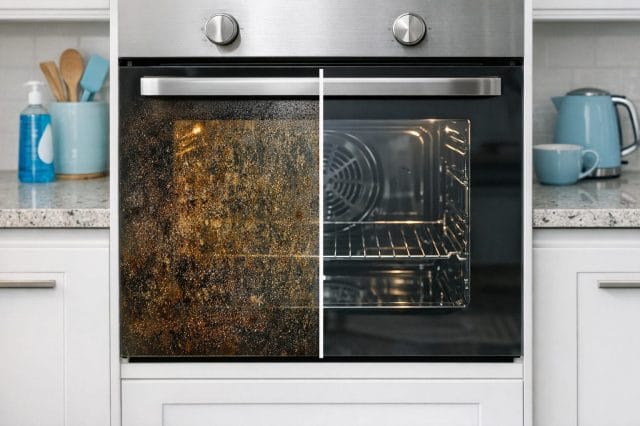
Once you have gone over the remaining marks gently and wiped the glass clean, the final result can look dramatically better. What was once a cloudy, greasy panel becomes clear again, and the whole oven can look newer and better maintained even though you only focused on one part of it. That is what makes this kind of tip so useful. It is not a complicated deep cleaning method, yet it makes a visible difference very quickly.
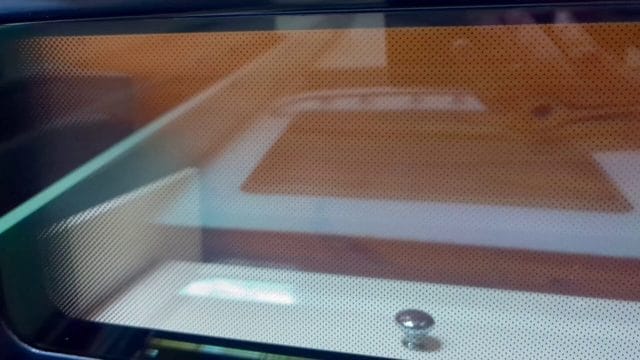
The screenshot of the finished result says a lot on its own. Clean glass changes the appearance of the entire oven, and it also makes everyday cooking feel a bit better because you can actually see inside without peering through a greasy haze. For such a common household annoyance, this is a refreshingly simple fix.
I genuinely like practical methods like this because they remove the feeling that every home problem needs a specialised product or a complicated process. If your oven glass has no film and the grease is baked onto the surface, using a scraper gently with a bit of water can be a really effective option. It is quick, low effort, and easy to repeat whenever the glass starts building up again. Sometimes the best household tips are the ones that make you think you wish you had known them much earlier.

If this article helped you in any way and you want to show your appreciation, I am more than happy to receive donations through PayPal. This will help me maintain and improve this website so I can help more people out there. Thank you for your help.
HELP OTHERS AND SHARE THIS ARTICLE
LEAVE A COMMENT